

A Journey into Multi-Faith Engagement: An MFNN Retreat Testimonial
By Khalid Hussain
When I first heard the term multi-faith, it immediately caught my attention. I was familiar with the word “interfaith,” but “multi-faith” felt different, broader, perhaps deeper. That curiosity, mixed with a measure of caution, led me to participate in a Multi-Faith Neighbors Network (MFNN) retreat in Kansas City.
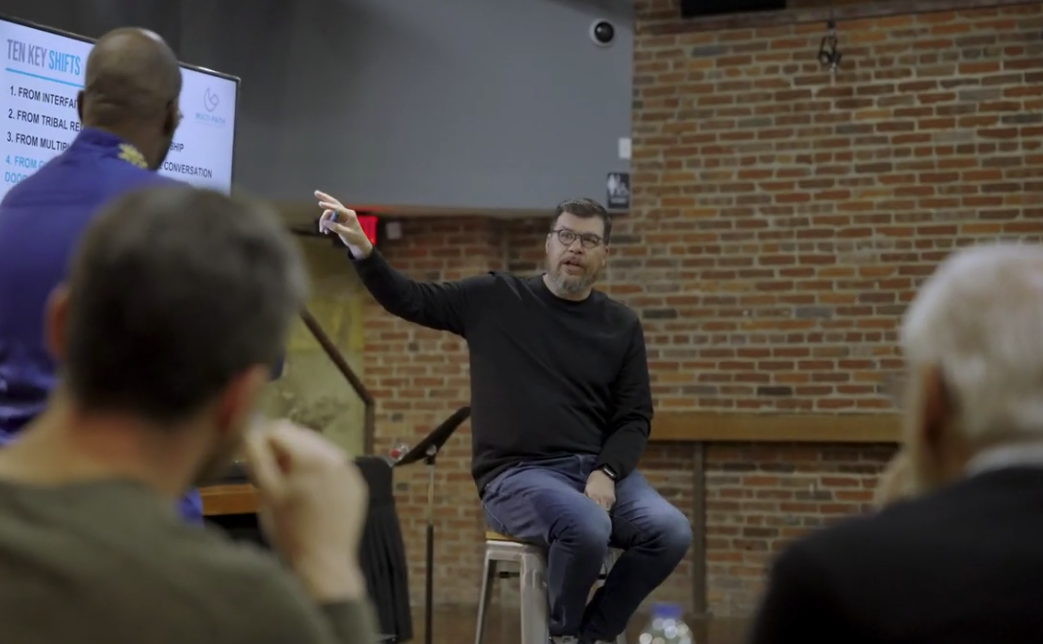 What I experienced there was both surprising and transformative. The retreat, hosted by Pastor Micah Fries and Imam Ahmed Alamine, and their engaging style and thoughtful facilitation challenged me to rethink my mindset about faith engagement. I came to understand that multi-faith engagement is not about diluting one’s beliefs or compromising core values. Rather, it is about standing firmly in your own faith while seeking to understand others with sincerity and respect.
This realization was further deepened during my participation in the Global Faith Forum in Washington, DC. Witnessing the interaction between Bob Roberts Jr. and Imam Mohamed Magid was remarkable. Their outreach to diverse faith communities and their visible trust and respect for one another demonstrated how authentic relationships can inspire and mobilize thousands of faith leaders worldwide. Their example showed that conviction and collaboration are not opposites; they are partners.
One profound insight I gained is that protecting minority communities of faith ultimately protects us all, because every faith community is a minority somewhere in the world. This understanding reframed how I view advocacy and solidarity, not as selective efforts, but as shared responsibility.
On a personal level, multi-faith engagement helped me build a close relationship with a local evangelical pastor and his wife. They graciously invited my family to join them for dinner during the Christmas season, and, in turn, I invited the pastor to visit our Sunday School to speak on biblical teachings on the relationship between parents and children. We are now exploring opportunities to collaborate on community charity initiatives and neighborhood-building projects together.
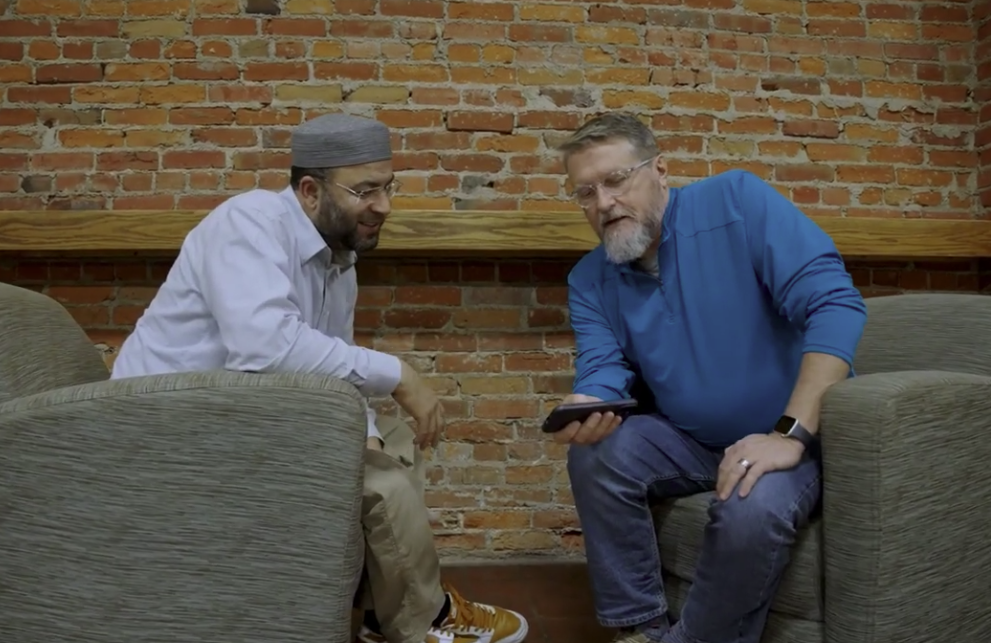 Perhaps one of the most powerful lessons I learned is that genuine listening builds trust far more quickly than debate. Showing up with humility opens doors that certainty alone never can. Most importantly, I discovered that these spaces strengthen leadership. Empathy, respect, and shared humanity are not compromises of faith; they are strengths that deepen it.
My journey into multi-faith engagement began with curiosity and caution. It continues today with conviction, clarity, and a renewed commitment to building bridges that honor both our differences and our shared humanity.